Wednesday, January 20, 2016

Candy Electrophoresis Lab Questions

1. Some of our dyes did not match the reference dyes including the yellow and blue dye. Though, the red and green dye somewhat matched the reference dyes. None of them ran in the opposite direction to the cathode, but some of the tested dyes were different sizes of the reference dyes. The red dye may be Betanin while the green dye may be Fast green FCF.
2. The two most similar colors of the tested dyes to the reference dyes were Betanin and Fast green FCF. They were similar because they were made of the same elements.
3. Dog manufactures may put dye in the dog food to make the illusion that there are different ingredients for each piece of food making it seem that the dog is eating more than one type of food(meat, veggies, corn, etc).
5. Two factors that control the distance the colored dye migrate include the length of the dye and the color.
6. Electricity (positive and negative), aka electrophoresis system, helps move the dyes through the gel.
7. The positive component (electricity) of the electrophoresis systems makes the dye run through the gel in the longer direction to that positive in which the negative will be on the opposites side of the box.
8. The smaller weights of DNA will move faster than bigger weights and that will separate them into specific groups automatically.

Wednesday, January 13, 2016

Recombinant DNA Lab

      In this lab, we chose one antibiotic that our plasmid would provide resistance to. Out of tetracycline, kanamycin, and ampicillin, my partner and I chose kanamycin. We randomly chose the antibiotic not knowing what to expect when testing with the recombinant DNA procedure. Restriction enzymes are bacterial enzymes which are the major tools of recombinant DNA technology. My partner and I chose the restriction enzyme called Eco RI. We chose this restriction enzyme because we thought it would be closer to the insulin gene in which we were correct. If I used an enzyme that cut the plasmid in two places, the ring would not be complete in which it is not necessary when you cut the human DNA. This process is important in our everyday life because insulin is the hormone produced that is used to digest sugars. I believe this process can be used to produce phage plaques which contain recombinants. This concludes the summary of the Recombinant DNA lab.

Monday, January 4, 2016

Goals for Semester 2

1. I will succeed in doing my homework every night before the assignment is due the next day. I will keep a schedule of when to do each assignment for every class and I will do the task when it is assigned.
     
2. I will prevent any distractions when studying for a test at home or with a friend by pushing myself away from any electronic distraction. I will put my phone in a different room so it won't distract me when I am in studying hours.

Wednesday, December 9, 2015

Unit 5 Reflection

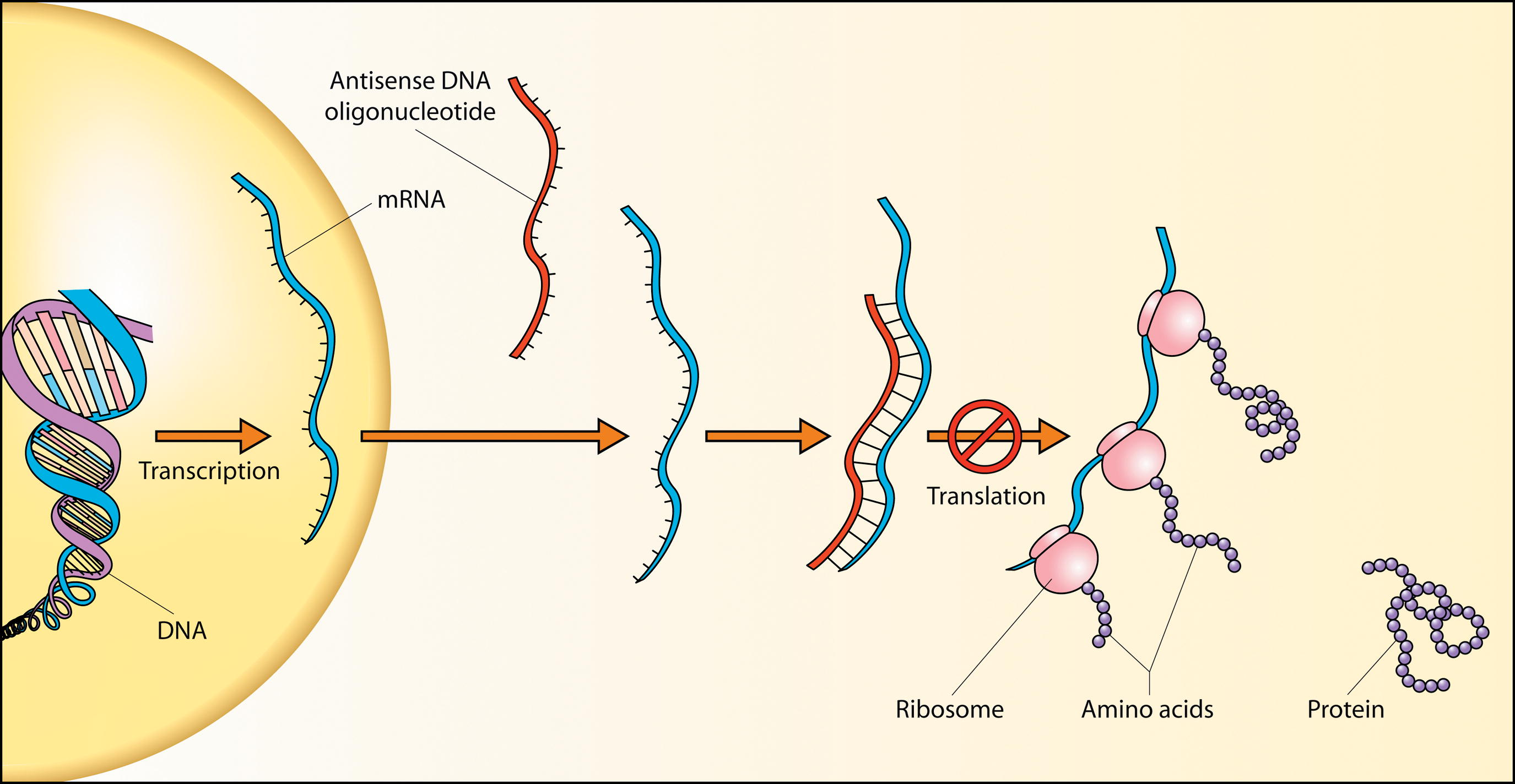
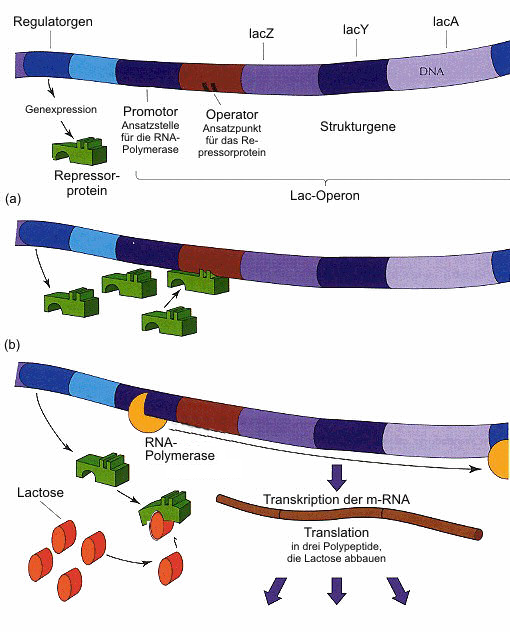
       In this unit, I learned about the central dogma of biology which is when DNA transcribes to RNA in which that translates to protein. This is my strength in this unit because what we learned in the last unit really help build the subject of this unit. I learned how information flows from different parts of cells to make one complete thing and this when learning how proteins are made. The information, which was given to me, was quite easy to get because it is a fun subject to learn about. Though, in the unit, the last section was very hard for me to understand. The last section was about gene expression and regulation. When listening to the vodcast it made some sense to me, but when studying it for the final that is coming up, I had a trouble time. This subject was a setback for me until Mr. Orre reviewed it for us in class. Diagrams of gene regulation was very helpful for me and soon I successfully understood what was happening.

       From these experiences, I learned the different ways I should study for the biology final. Before reviewing gene expression and regulation, I did not realize how important diagrams are and how they can really help clear things up about a specific subject. From doing the infographic last unit, I learned different techniques in reviewing multiple subjects at a time. The act of making an inforgraphic is a good way to study because the pictures and words summarize important topics in a chapter or unit.

       I want to learn more about the different molecules that help contribute with the process of creating a protein. I wonder about many things when learning biology, but I mostly wonder about where we come from, and how do we know what we know is true. Last unit, I did this test called, Vark Questionare. Vark Questionare helps you know what your strengths are and how one should study a subject using your strengths to increase the learning process. After taking that test, I felt like I already knew how to study and what techniques I should do. There was no new information that I learned about myself when looking back at the results. There are no unanswered questions I have in this unit and I feel confident for the final next week.

Monday, December 7, 2015

Protein Synthesis Lab


       Mutations could affect my life greatly. If a mutation were to be in me, I would not live the same, but that depends if it is a mental of physical mutation. If it were a physical mutation, it would not affect me as much as a mental mutation because I would not think the same and I would have a different education than everyone else. Tay- Sachs disease starts as a mutation that causes in which deterioration in nerve cells that affects a human's mental and physical abilities. This disease can be notified in the first 6 months of a baby and there are various symptoms to tell that a baby has the disease. This concludes the analysis of the Protein Synthesis Lab


       Making a protein requires multiple steps. These steps include the process in which DNAtranscripts to  RNA then the RNA translates into a protein. The procedure of copying DNA to RNA is called transcription, this process is done to make the section of DNA copied by mRNA. In the second step of making protein, is when the mRNA leaves the nucleus to travel to a ribosome in which it makes an amino acid sequence. This chain of amino acids binds up to create a protein. This process is called translation and it is the final step of making a protein.


       In step 7, I chose to do the mutation, Insertion. I did that type of mutation earlier in the DNA sequence to test if the location impacts the strand. I think that it did not change the sequence as much as the controlled mutation earlier in the lab but it still had great effect to the proteins. It sometimes matter where the mutation occurs but it depends on the type of mutation that is affecting the strand.


       At times, mutations in the DNA may occur due to chemicals being exposed to the DNA. There are some mutations that have no effect when making a protein but there are some mutations that completely change the DNA sequence in which it soon thens messes with protein synthesis. If the mutation occurs early in the section of DNA, it may have a larger impact. Though, that mostly depends on the type of mutation that occurs. I believe that the Deletion as well as Insertion has the most impact on the strand of DNA. The least impacted mutation to DNA is Substitution.


Friday, December 4, 2015

Human DNA Extraction Lab

       In this lab we asked the question, " How can DNA be separated from cheek cells in order to study it?" I found out that DNA could be extracted from cheek cells. When adding detergent, salt, enzyme, and cold alcohol to my gatorade solution, I observed my DNA rising up to the surface of the alcohol layer. This observation helped strengthen the scientific ideas behind it from our lecture notes in each vodcast we were assigned in class. This data supports my claim because DNA extraction is the process of homogenization, lysis, and precipitation. When I added the enzyme to the gatorade solution, I saw faint activity in the mixture, but then I added the layer of alcohol which made the DNA in the test tube visible. The type of enzyme that was used in the experiment was protease. 
       While my hypothesis was supported by my data, there could have been errors due the lack of not scraping enough cheek cells for the gatorade mixture. This error affected my results because the was little DNA to be observed after adding the cold rubbing alcohol. I looked at other students' DNA and there were much larger chunks of the DNA to be recognized. Due to this error, in future experiments I recommend to get enough of one material that is needed for a lab test and I also recommend to stay completely focused on the lab and try your best not to get off task.
       This lab was done to demonstrate the steps for the extraction of DNA and strengthen our skills with DNA. From this lab I learned a lot about the main sequence that happens when DNA is extracted and how it works. This helps me understand the concepts and vocabulary for this unit. Based on my experience with this lab I can use this information to try this experiment at home. This concludes the Human DNA Extraction Lab.

Wednesday, November 18, 2015

Unit 4 Reflection

       In Unit 4, we learned about the cell cycle, the different types of reproduction, the significance of chromosomes and how they relate to genes and traits, what Gregor Mendel discovered and his laws, meiosis, and finally punnett squares. This unit was mostly about the importance of sex, and throughout this unit my strengths was of the content in chapter 14 which was mostly about chromosomes. Even though I understood chromosomes, chapter 11 was a struggle for me because there was a lot of information with vocabulary words that I didn't know. From these experiences I learned how to focus on the vocabulary and the definitions of each one which helps build my understanding of this unit. Making the infographic helped me greatly when it came to the specific details from the vodcasts. I want to learn more about meiosis and mitosis (cell cycle) because it is very interesting learning about what the human body does to function.
       After taking the VARK Questionnaire, I received a multimodal learning preference in which the most scored style for me was the Read/Write in which I scored a 9. My results did not surprise me at all because from past experience I studied with different learning styles and altogether I tested the same. Using my reading and writing preference, I can prepare for the unit test by making flashcards and rewriting what I didn't understand. This concludes my Unit 4 Reflection.